SPECIAL EDITION: NAVIGATING THE CURRENT MARKET
Are you asking yourself....What is wrong with the Stock Market?

WHAT IS HAPPENING
The stock market is experiencing severe volatility and repricing as unexpectedly strong economic data—such as robust job growth—has dashed hopes for near-term interest rate cuts.
Stronger economic momentum threatens to keep inflation elevated, leading investors to brace for potential rate hikes rather than cuts.
Several overlapping pressures are currently driving this market turbulence:
Rate Cut Rollbacks: While positive for the overall economy, a strong labor market means the Federal Reserve is unlikely to lower borrowing costs soon, threatening the corporate growth expectations that previously fueled the AI-driven tech boom.
Tech Sector Repricing: High-growth, mega-cap tech and semiconductor stocks have seen intense sell-offs. Major players have experienced significant pullbacks as investors question whether the massive AI valuations are currently justified by near-term revenue.
Geopolitical Jitters: Lingering Middle East tensions and military strikes have elevated crude oil prices, further stoking inflation concerns and adding a layer of risk to global supply chains.
Anticipation of New Offerings: Market watchers are also attributing some of the shifting liquidity and erratic movements to investors freeing up capital in anticipation of major upcoming tech and space IPOs.
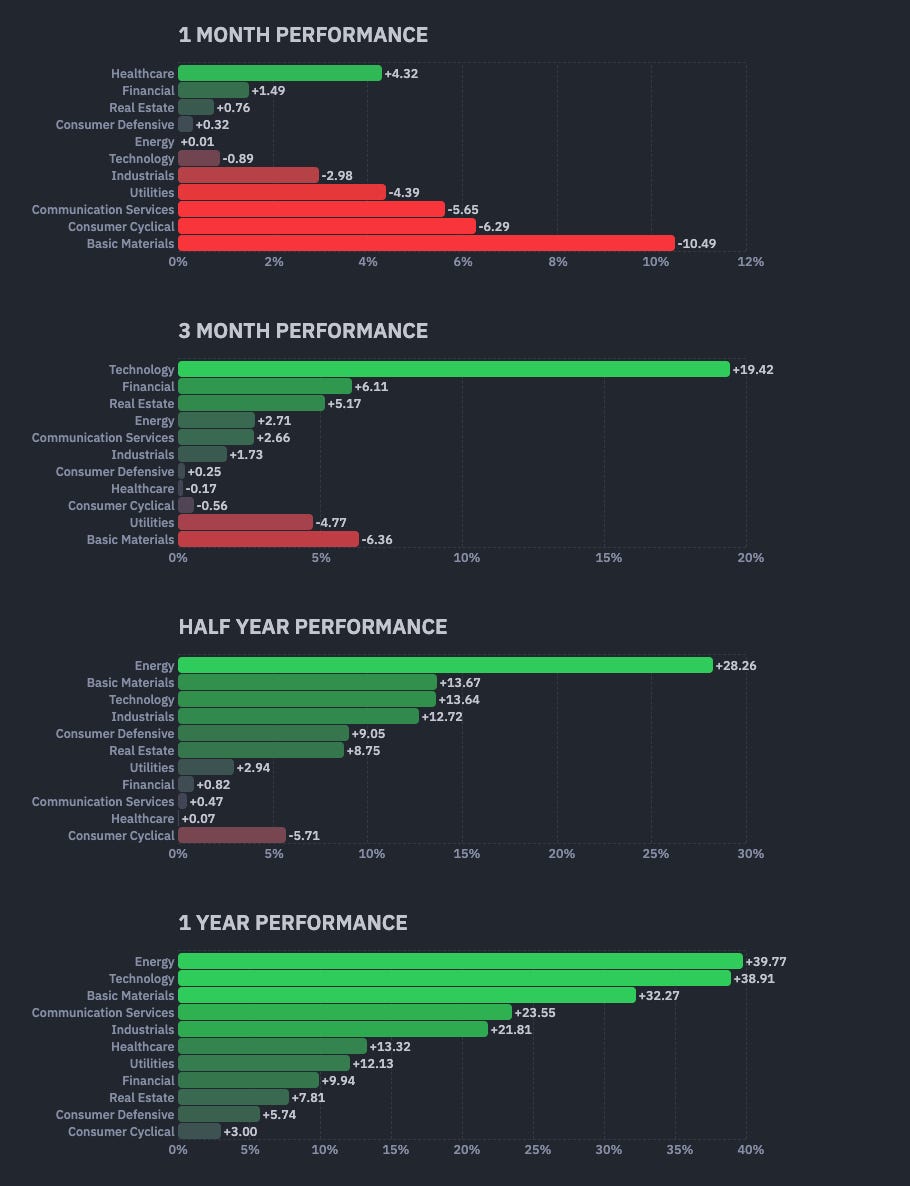
MARKET VALUATION
Market valuation refers to the current price an asset, business, or security would fetch in an open, competitive market. It is distinct from historical cost or theoretical intrinsic value, reflecting instead real-time supply, demand, and investor sentiment.
For publicly traded companies, market valuation—often referred to as market capitalization—is calculated by multiplying the current share price by the total number of outstanding shares. For the broader economy, it is evaluated using macroeconomic indicators like the market cap-to-GDP ratio (Buffett Indicator) and the Cyclically Adjusted Price-to-Earnings (CAPE) ratio.
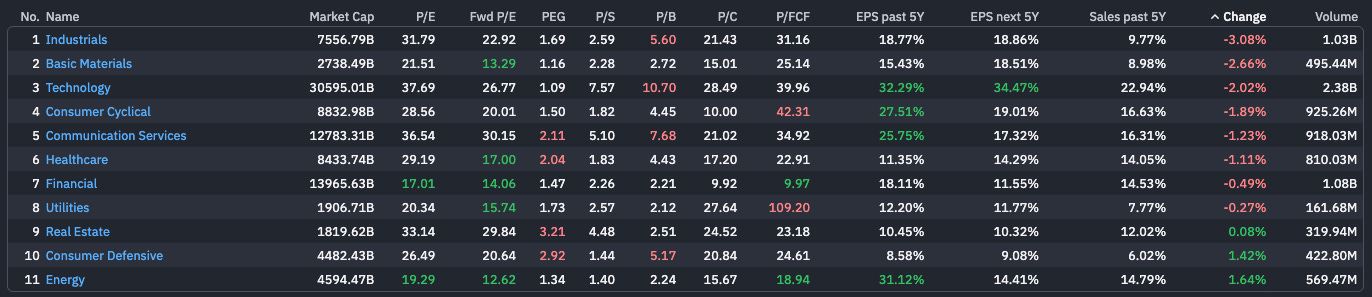
Core Valuation Approaches
Determining market value typically relies on one of three main methodologies:
Market Approach (Comparables): Values an asset by comparing it directly to similar assets or businesses that have recently been sold in the same market. For stocks, this involves comparing Price-to-Earnings (P/E) or Price-to-Sales (P/S) ratios.
Income Approach: Estimates value based on the future income, cash flows, or dividends an asset is expected to generate, discounting them back to their present-day value.
Cost (Asset) Approach: Calculates value based on what it would cost to recreate or replace the asset from scratch, accounting for depreciation
Why Market Valuation Matters
Investment Decisions: Helps buyers and sellers ensure they are paying an appropriate price relative to a company’s earning potential, preventing overpayment.
Portfolio Assessment: Allows investors to gauge whether broader stock markets are overvalued, undervalued, or fairly valued compared to historical norms.
Mergers & Acquisitions: Sets baseline prices for corporate buyouts by evaluating precedent transactions and public company comparables.
For further reading on how current macroeconomic indicators and market ratios are trending, review the Current Market Valuation analytical models or learn more about market mechanics on Investopedia’s Market Value Guide.
WHY SUCH A DRAMATIC DIP
Stocks dropped dramatically due to a surprisingly strong May jobs report, which dashed hopes for near-term interest rate cuts. This triggered a spike in Treasury yields, sparking a violent selloff in richly valued technology and artificial intelligence (AI) stocks.

The market’s dramatic downturn was driven by several key factors:
Strong Jobs Data & Rate Hike Fears: The U.S. added 172,000 jobs in May, nearly double expectations, and past months were revised upward. While normally a sign of economic health, investors panicked. Strong labor markets fuel inflation, meaning the [Federal Reserve] is less likely to cut rates and may even have to raise them.
Spike in Bond Yields: Higher interest rate expectations pushed U.S. Treasury yields higher. Higher yields hurt growth and tech stocks by making future corporate earnings less valuable today.
The Tech & AI Whipsaw: The tech-heavy Nasdaq Composite Index experienced its worst one-day decline in over a year. Semiconductor and AI-linked stocks plummeted as investors worried the sector had risen “too far, too fast” over the past year.
Inflation Pressures: The Consumer Price Index (CPI) report showed inflation running at 4.2% annually, further muddying the outlook for borrowing costs.
Geopolitical & Oil Volatility: Escalating tensions in the Middle East and concerns over oil tanker traffic in the Strait of Hormuz caused crude oil prices to fluctuate, keeping global markets on edge.
WHAT IS NEXT
The stock market will continue moving into a phase of increased volatility and tactical consolidation, rather than a full-scale market collapse.
Major financial institutions like Citigroup actually raised their year-end S&P 500 targets directly following the sell-off, viewing the drop as a healthy reset for over-extended tech valuations.
Historically, when a strong labor market delays interest rate cuts, the market undergoes a short-term repricing before finding its footing. Investors should expect several immediate and mid-term market shifts:
1. Intense Focus on the June 17 Fed Meeting
The First Warsh Meeting: All eyes are on the June 16–17 Federal Open Market Committee (FOMC) meeting, which will be the first chaired by Kevin Warsh.
Pricing in a Hike: While rates are expected to hold steady at 3.50%–3.75% this month, the market will aggressively parse the Fed’s commentary.
Shifting Expectations: Traders are already pricing in a 66% chance of a rate hike by year-end, meaning any overly hawkish rhetoric could trigger secondary waves of selling.
2. A Shift Away from Mega-Cap Tech (Market Broadening)
Under the Hood Shift: The era of returns being entirely dominated by a tiny handful of asset-light AI platforms is beginning to pivot.
Broadening to Hardware: According to T. Rowe Price’s Midyear Outlook, capital is shifting from pure software or speculative AI plays into the physical infrastructure enabling the tech build-out.
Key Beneficiaries: Sectors like power generation, data centers, cooling systems, and electrical equipment are expected to show more resilience than richly valued software companies.
3. Continued Pressure on Growth and Tech Stocks
Valuation Compression: With the Nasdaq having recently dropped nearly 5% in a single day, tech companies trading at high price-to-earnings multiples face a period of consolidation.
Yield Headwinds: As long as 10-year Treasury yields stay elevated, growth stocks will struggle to hit new highs because their future projected earnings are heavily discounted by higher current interest rates.
4. Broadly Bullish Year-End Outlook Resmains Intact
Strong Fundamentals: Wall Street’s underlying narrative hasn’t broken. Corporate earnings remain strong, and the economy’s massive job additions prove that a recession is not an immediate threat.
Healthy Consolidation: Analysts generally agree it is too late to panic-sell. Instead, the dip is widely viewed as a necessary pitstop to burn off speculative froth before the index tries to extend its gains into late 2026
WHAT TO DO NOW
The most critical step right now is to avoid making panicked, irreversible decisions while the market is down. Selling your depleted stocks today locks in your paper losses forever, preventing you from recovering when the market eventually rebounds.

When your portfolio drops rapidly, you can take control using four clear, actionable strategies:
1. Identify “Structural Shifts” vs. “Market Noise”
Do a health check: Sort your stocks into two categories: fundamentally strong companies and speculative bets.
Look at the business: Did the actual companies you own lose customers, revenue, or competitive advantage this week?
Spot the macro drag: If the business itself is healthy, the price drop is just “market noise” caused by high interest rates dragging down all stocks equally.
2. Harvest Tax Losses (Turn Losses Into Savings)
Offset your gains: If you hold stocks in a taxable brokerage account, you can sell underperforming investments to realize a loss.
Lower your tax bill: You can use these losses to cancel out capital gains taxes from winning investments you sold earlier in the year.
Deduct from income: If your losses exceed your gains, you can use up to $3,000 to reduce your ordinary taxable income.
Watch the clock: Do not buy back the exact same stock within 30 days of selling it, or the IRS will void your tax deduction (the “Wash-Sale Rule”).
3. Rebalance and Diversify
Trim the speculation: If you review your portfolio and find highly speculative stocks that you no longer believe in long-term, sell them.
Move to safety: Reinvest that capital into more resilient sectors that handle higher interest rates well, such as energy, utilities, physical infrastructure, or high-yield cash equivalents.
Stop watching daily: If looking at your brokerage account is causing severe stress, delete the app from your phone for two weeks to prevent emotional trading.
4. Deploy New Capital Gradually (Dollar-Cost Averaging)
Lower your average cost: If you have extra cash on the sidelines and still believe in your core investments, buy small amounts now.
Spread the risk: Do not invest all your cash at once. Break it into fixed amounts and buy weekly or monthly.
Buy at a discount: This lowers the average price you paid for your shares, meaning your portfolio will return to profitability much faster when the market recovers.
FINAL WORDS OF ENCOURAGEMENT
Navigating difficult times requires patience and the understanding that even small steps forward are progress. Embracing resilience means acknowledging that challenges can break us, but we can also emerge stronger.
On Strength: “The oak fought the wind and was broken, the willow bent when it must and survived” (Robert Jordan), and “You never know how strong you are, until being strong is your only choice” (Bob Marley).
On Hope: “No feeling is final” (Rainer Maria Rilke), and “Flowers grow back even after the harshest of winters. You will too” (Jennae Cecelia).
On Perseverance: “If you can’t fly then run... you have to keep moving forward” (Martin Luther King Jr.).